A united and strong world though academics
BRICS+ Student Commission
The BRICS+ Student Commission (BRICS+ SC) is an organization representing student communities from the BRICS nations. It is a collaborative platform aimed at empowering students to play an active role in shaping the socio-economic, cultural, and educational priorities of their countries and the broader BRICS alliance.
Background
On October 18, 2015, the BRICS Universities League is formally established in Beijing according to Article 63 of the VII BRICS Summit Ufa Declaration "The Initiative to Support the Establishment of the BRICS Universities League". Guided by the education authorities of BRICS+ countries such as the Ministry of Education of China and the Ministry of Education and Science of Russia, it aims to unite the major famous universities in BRICS+ countries, carry out the joint research and jointly train high-end talents. It is a platform for bilateral and multilateral exchanges between universities in BRICS+ countries and also an important mechanism for promoting higher education cooperation and cultural exchanges in BRICS+ countries and an international think tank for policy research among BRICS+ countries Therefore, on 21 March 2023 the BRICS Student Commission was formed at University of Zululand and spread across South African Universities and to BRICS+ countries.
Organisational Structure
The governance framework of the BRICS Student Commission ensures inclusive participation, effective coordination, and impactful implementation across global, national, regional, and institutional levels.
General Assembly
Comprising representatives from all BRICS countries and beyond, the General Assembly serves as the highest decision-making body, providing strategic direction and oversight for all initiatives.
Executive Committee
Consisting of elected or appointed members from various BRICS countries, the Executive Committee leads thematic committees responsible for the coordination and implementation of cross-cutting projects across member states.
National Chapters Executive
This body oversees institutions and ensures the effective monitoring and implementation of projects within each country, aligned with the overarching BRICS agenda.
Regional Executive
Formed through clusters of institutions across provinces, regions, or states, the Regional Executive facilitates coordination and project implementation at sub-national levels, ensuring responsiveness to regional contexts and needs.
Institutional Chapters
Based within universities and colleges, these chapters operate under their own executive structures. They affiliate with host institutions, receive institutional support and resources, and implement projects tailored to directly benefit students. Each Institutional Chapter follows its own Institutional Plan of Action.
let's Stand Together
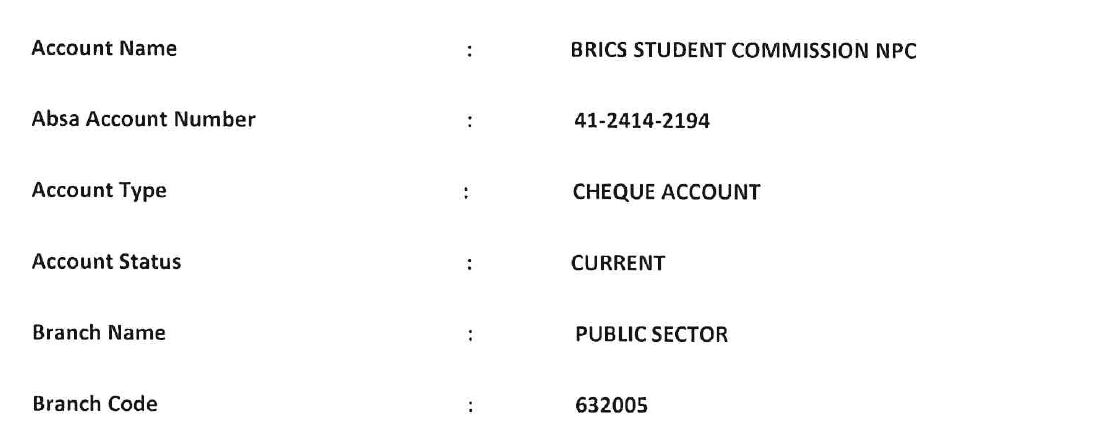
Support Our Activities By a Donation
Milestones that reflect our commitment to dialogue, collaboration, and youth-driven transformation across BRICS nations.
Regional Dialogues
Inclusive forums uniting students, academics, policymakers, and youth leaders to exchange ideas and generate solutions for regional and global challenges.
Strategic Partnerships
MoU-based collaborations with universities, governments, industries, and research institutions across BRICS to strengthen programme impact and cross-sector cooperation.
Student Voices Platform
Empowering youth to influence policy and curriculum innovation, ensuring education systems reflect real-world needs and aspirations
Our Partners and Stakeholders